Match the pack to the delivery route
A retail carton, a palletized export carton and a parcel-delivery pack may face different handling conditions. Tell us how the product will travel and whether it will be unpacked, stored, displayed or shipped again after arrival. We can then review packaging requirements for the actual delivery route.
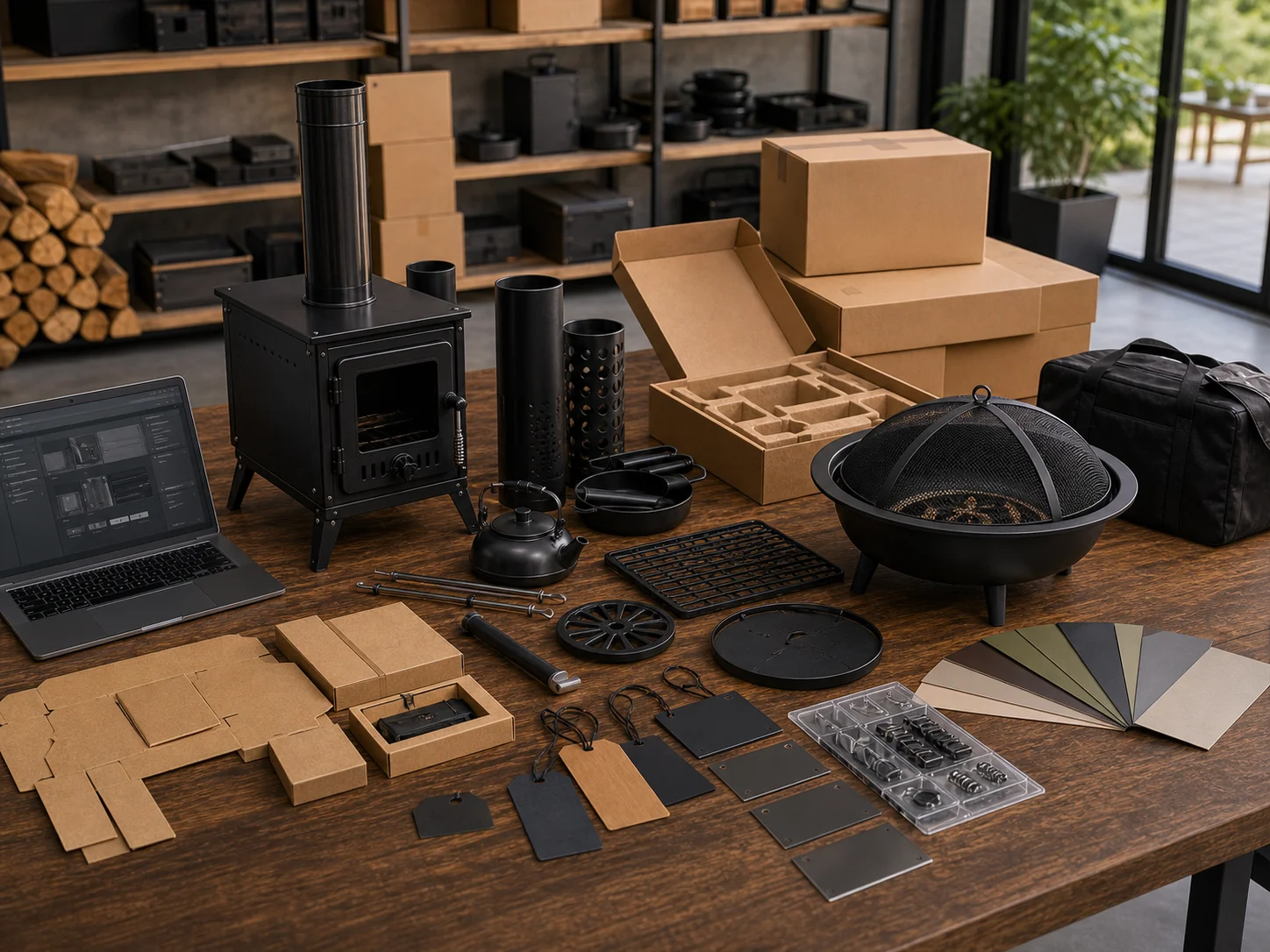
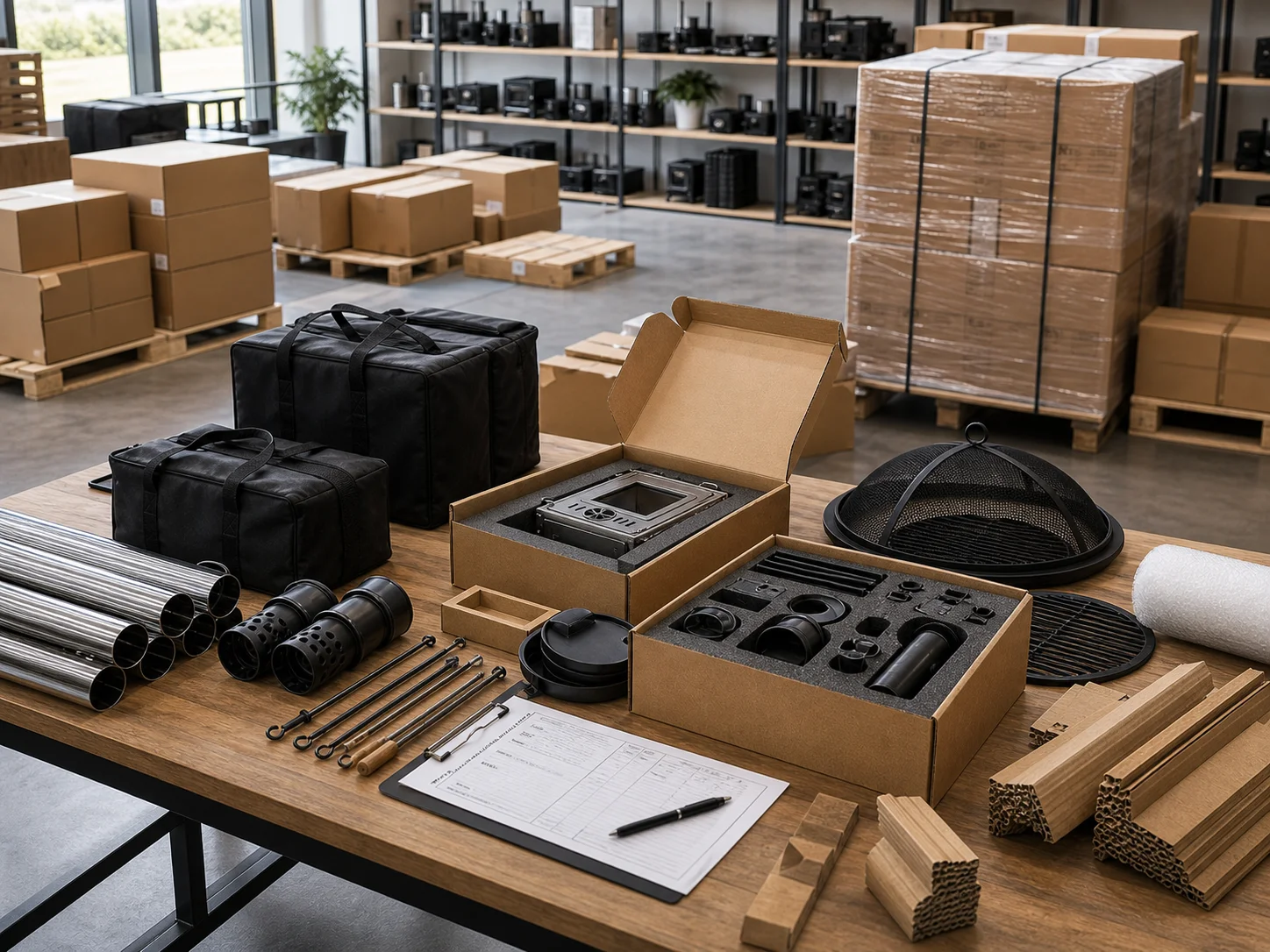
Review how the product is supported inside the carton. Legs, handles, glass panels and protruding fittings need particular attention; loose metal parts can contact finished surfaces during handling. Agree on the internal protection, carton design and any required packaging validation before production.
Make the contents easy to check
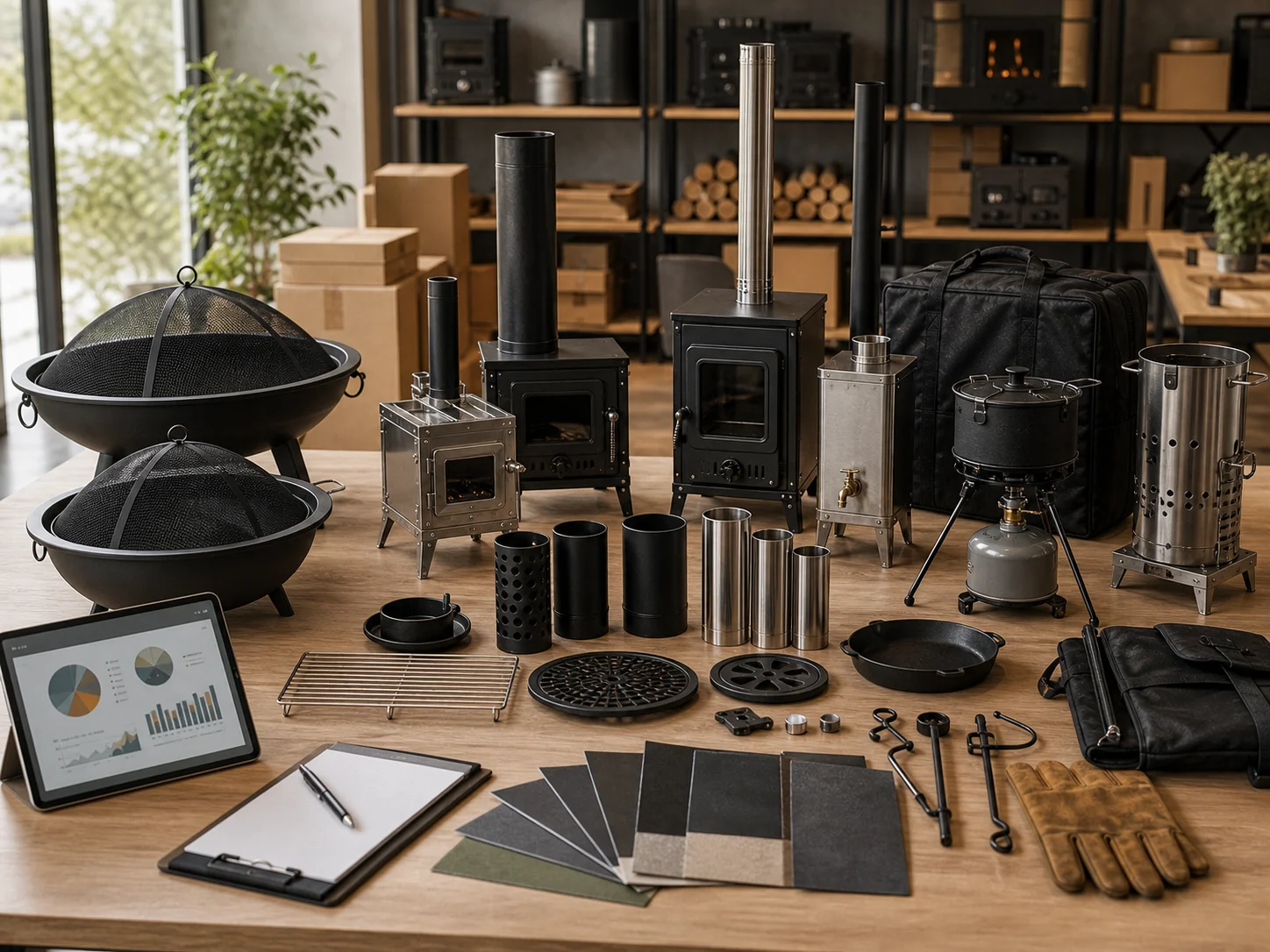
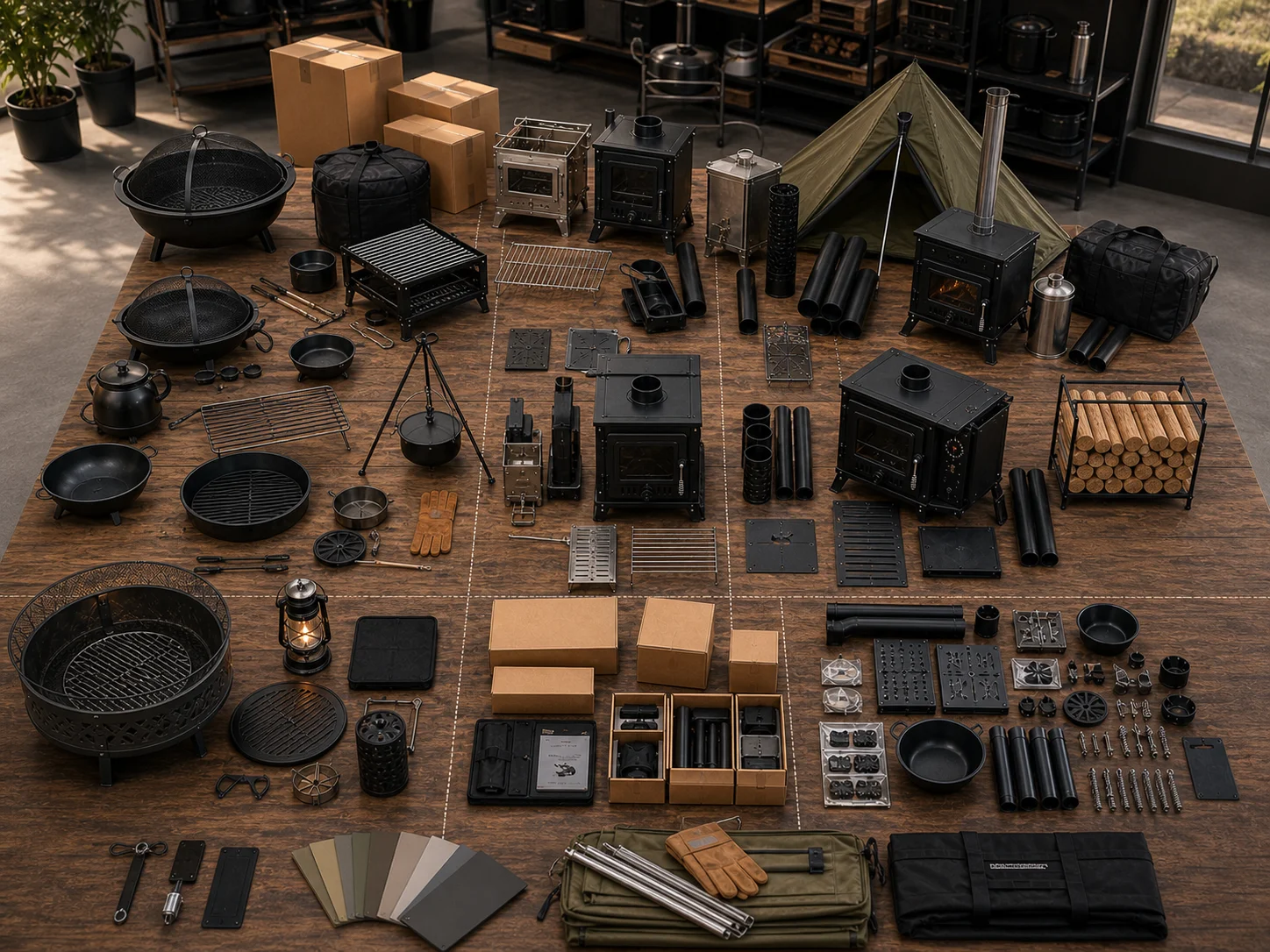
Prepare a component list for the exact model and bundle. Identify chimney sections, fasteners, handles, grates, tools and other accessories by quantity and part reference where available. Show where they sit in the package, especially if items are nested inside the stove body or packed in separate compartments.
A consistent packing arrangement supports inspection and receiving. Match the instruction sheet and parts diagram to that arrangement so a buyer can distinguish a missing component from one packed elsewhere. Keep replacement parts linked to the model and revision they fit.
Confirm shipping data and release requirements
Request the final packed dimensions, net and gross weights, carton count and pallet arrangement for the agreed configuration. Product dimensions alone do not establish the shipment volume. Changes to accessories or inserts can change the outer pack and should be reflected in the shipping data.
Before dispatch, review carton condition, accessory quantities, labels and shipping marks against the order. Confirm required documents and delivery terms with us and your logistics provider, including any destination-market requirements that affect shipment preparation.