Start with how the customer will use the product
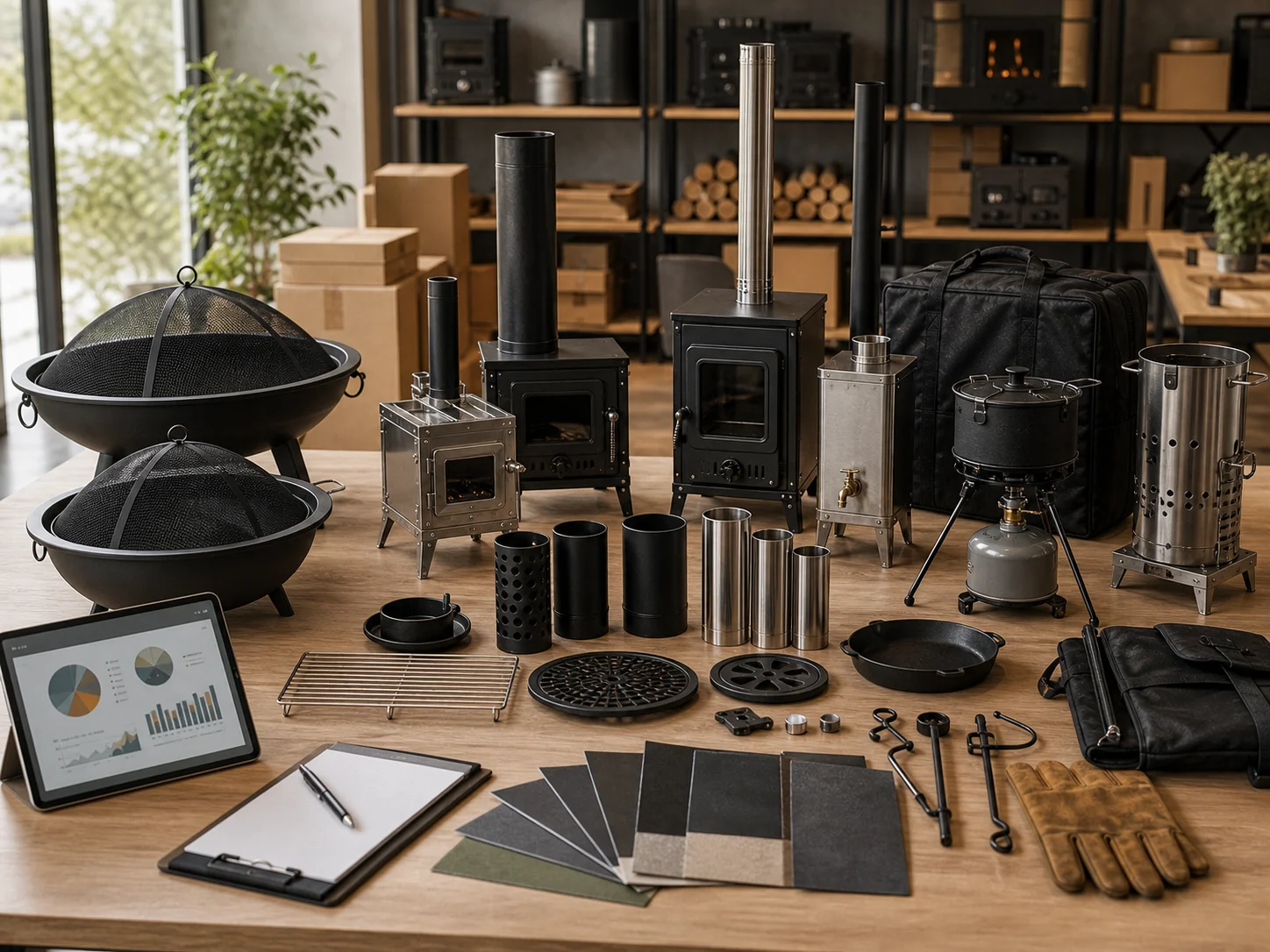
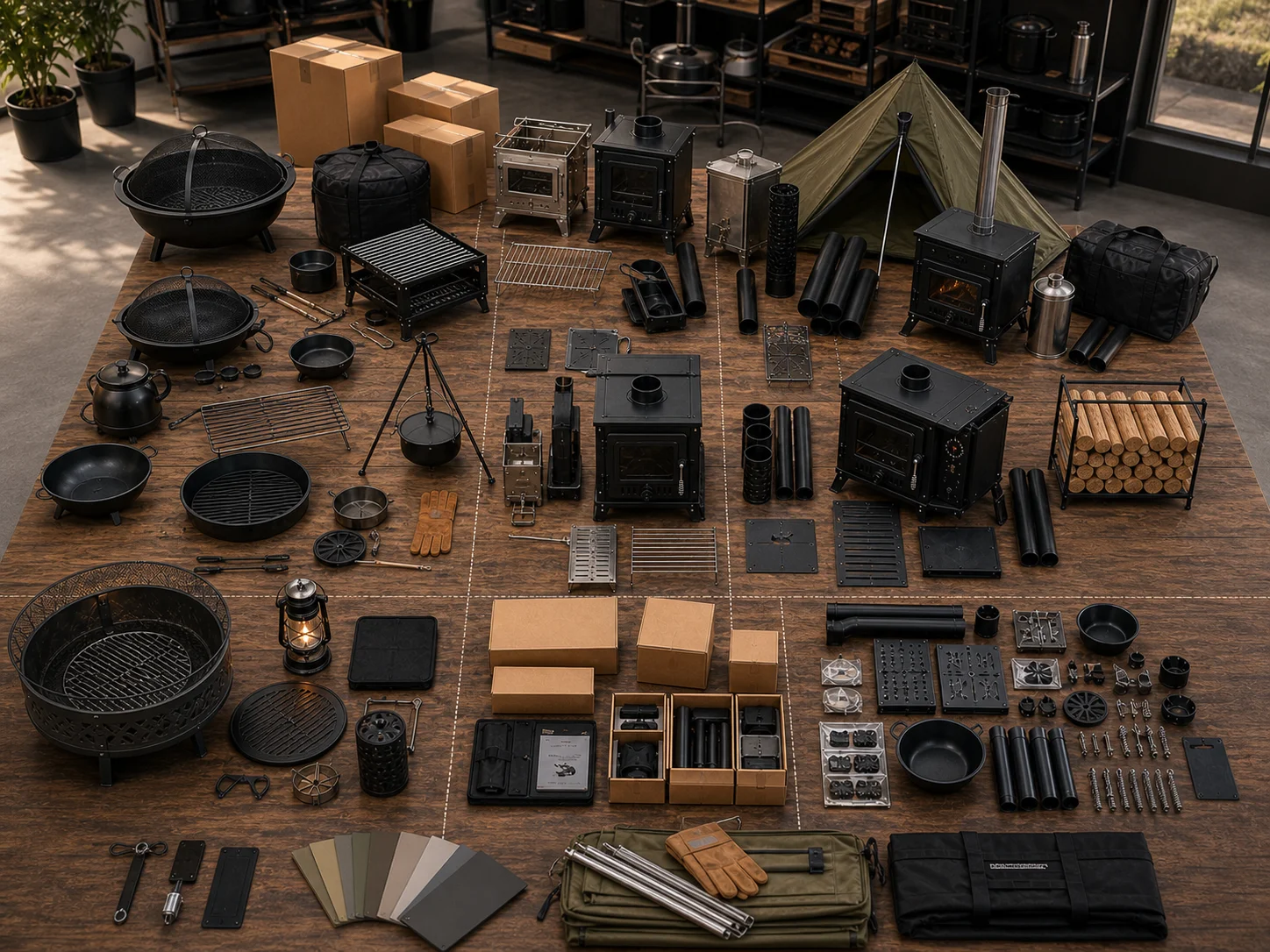
Patio shoppers, backpackers and vehicle-based campers have different priorities. A patio range may emphasize size, appearance and storage; a portable cooking range needs clear packed dimensions, kit weight and setup information. A tent-heating range requires review of the complete stove, chimney and tent interface.
Choose a lead product and explain the reason for each additional model. Useful differences might include size, construction, portability or included accessories. Avoid creating several nearly identical listings whose specifications do not tell buyers how to choose.
Build bundles around verified fit
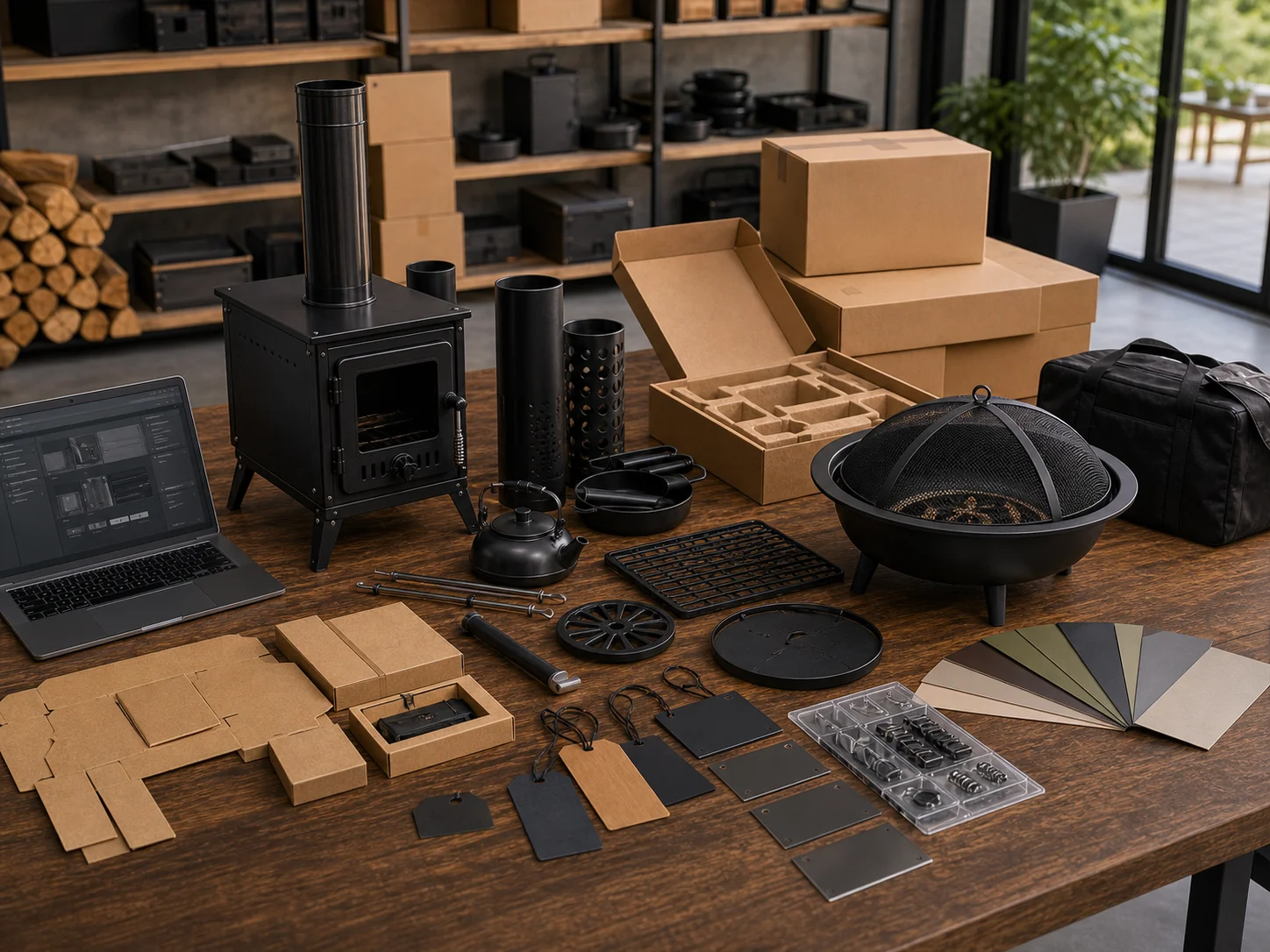
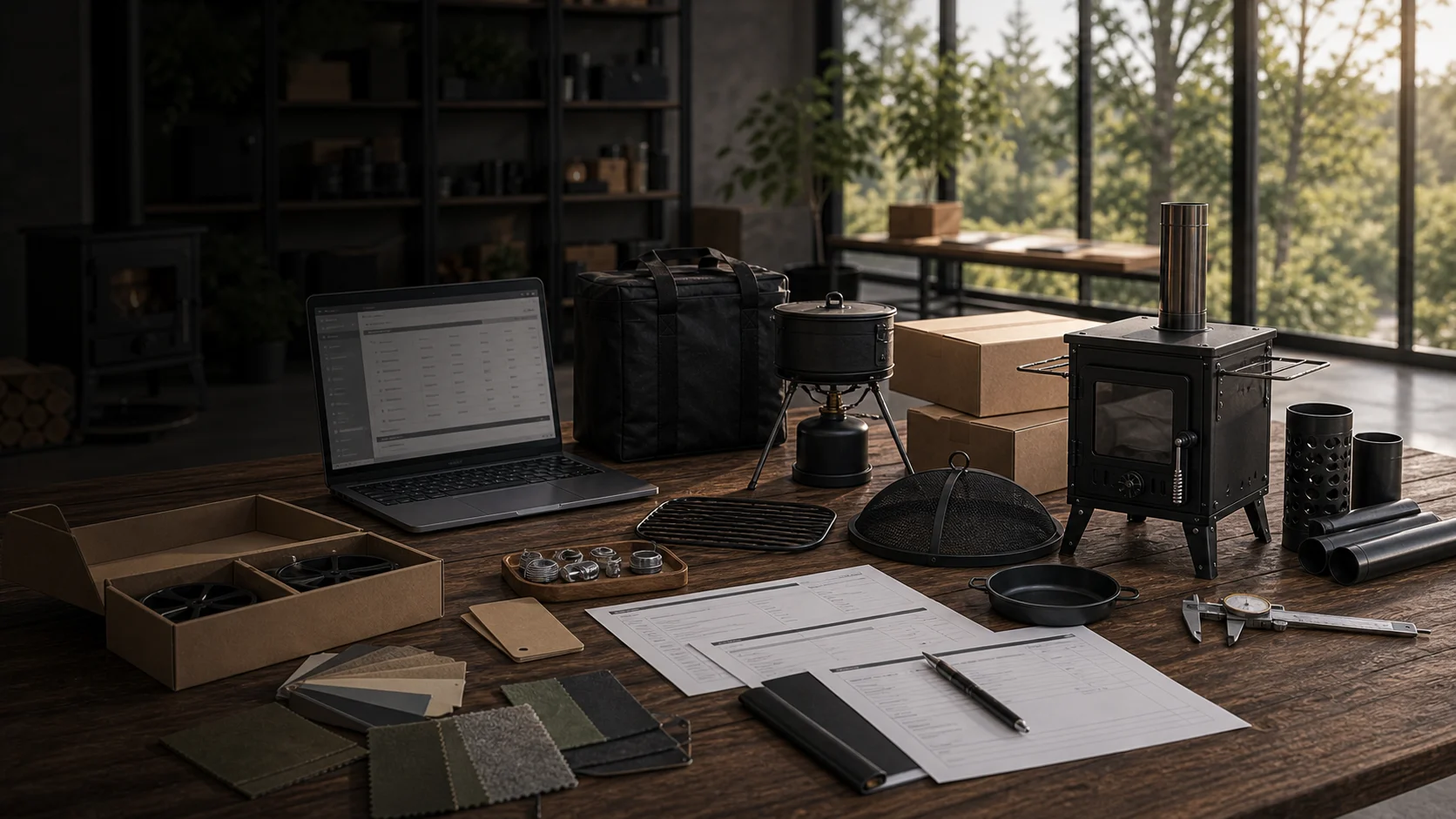
List the main product, included accessories and optional add-ons separately. For example, a tent stove range may include chimney sections, a spark arrestor, a carry bag and replacement components. Confirm the specific stove and connection each part fits; a shared category name or nominal diameter is not enough.
The same principle applies to fire pit cooking grates, lids and covers. Check the supporting rim, attachment method and dimensions against the selected model. Keep installation and operating requirements with the product documentation rather than implying that the bundle alone establishes safe use.
Connect the range to displays, listings and stock
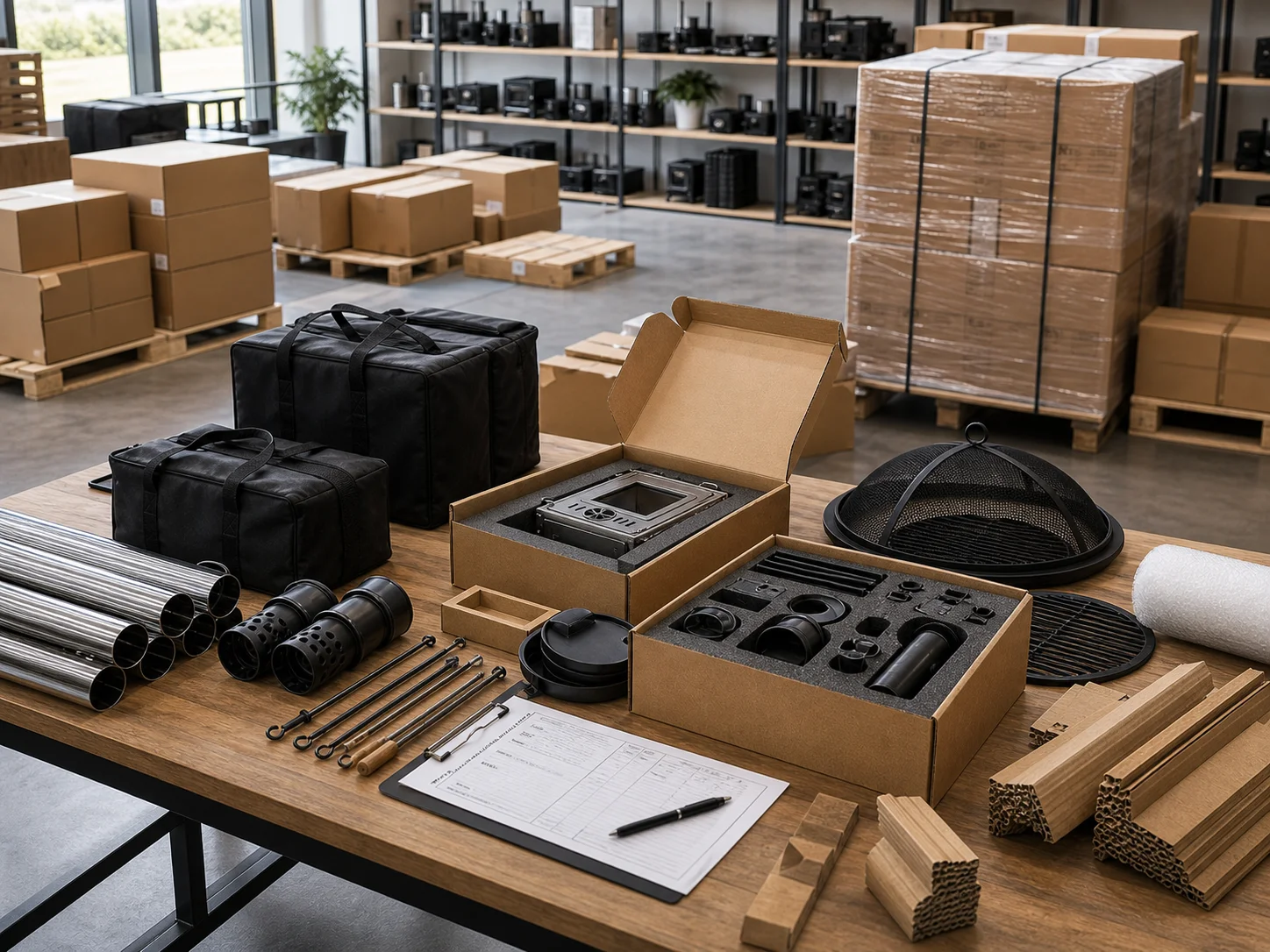
Retail displays should make the product size and bundle contents clear. Ecommerce listings also need packed dimensions, included components and compatibility information because customers cannot inspect the product in person. Use the same model names and part references across the catalog, cartons and replacement-part list.
Plan samples, order confirmation and shipping around your launch window. Separate seasonal products from parts that customers may need after the season ends. We can review the proposed assortment, packaging and order requirements for your sales channel.