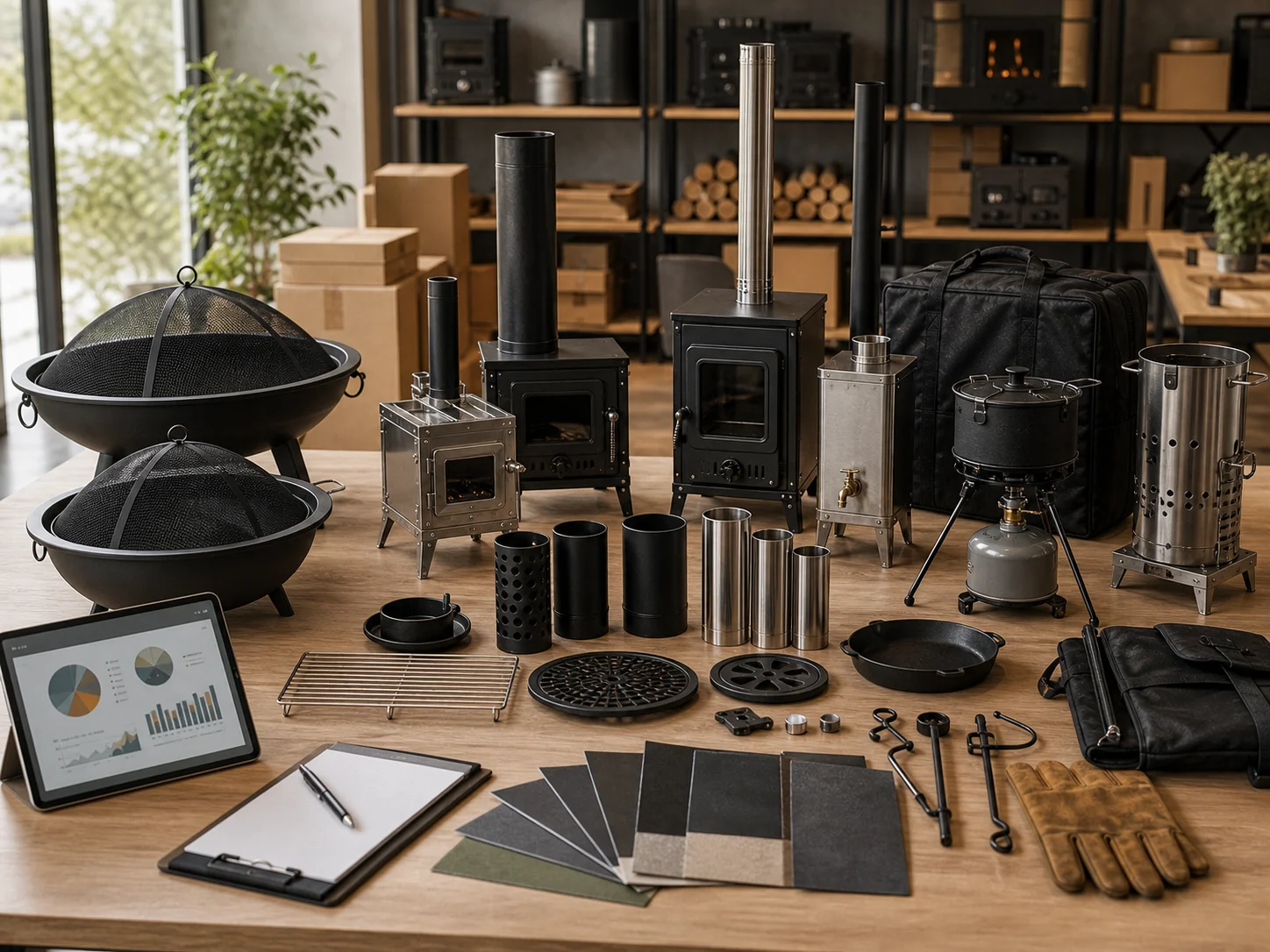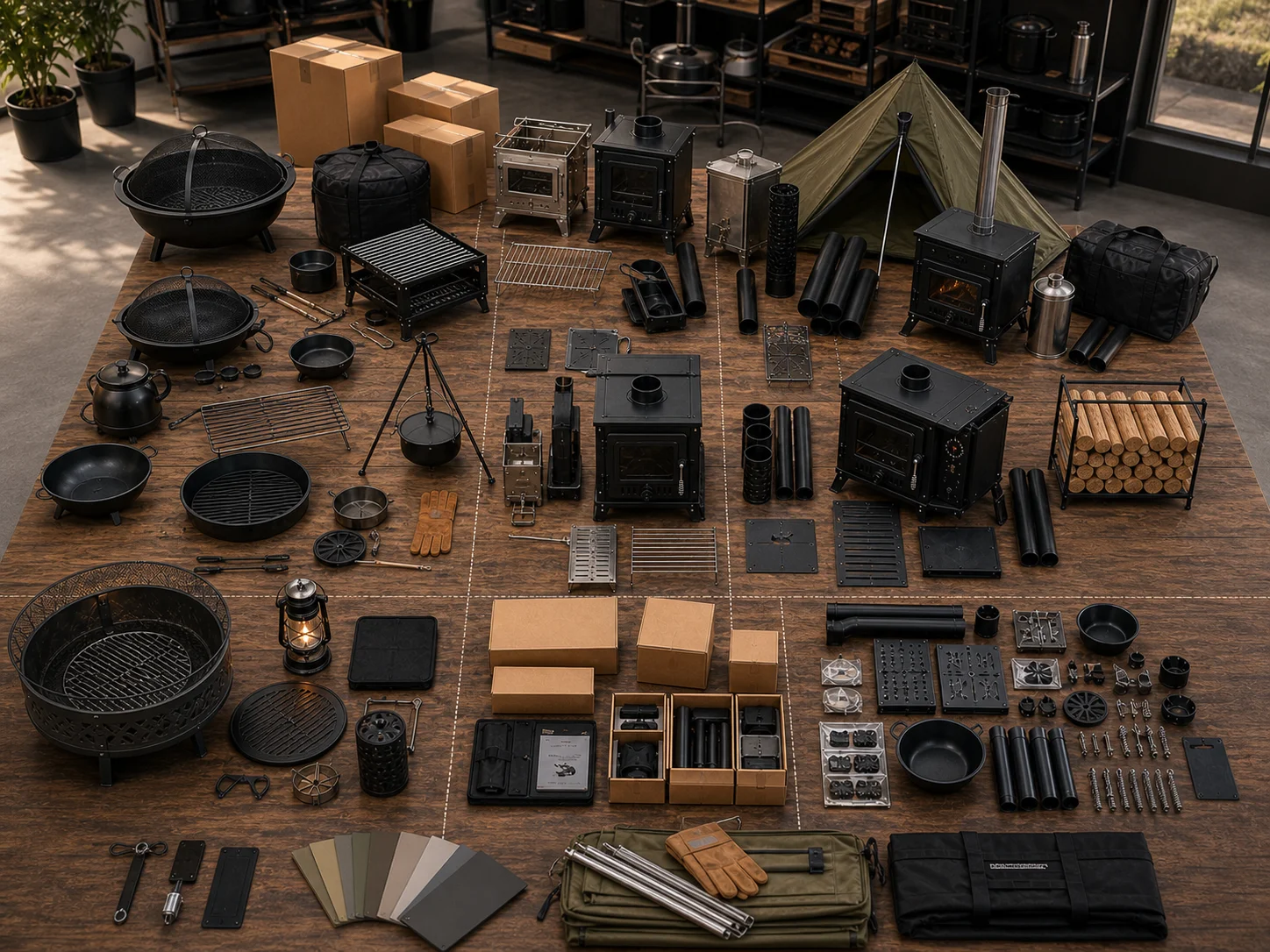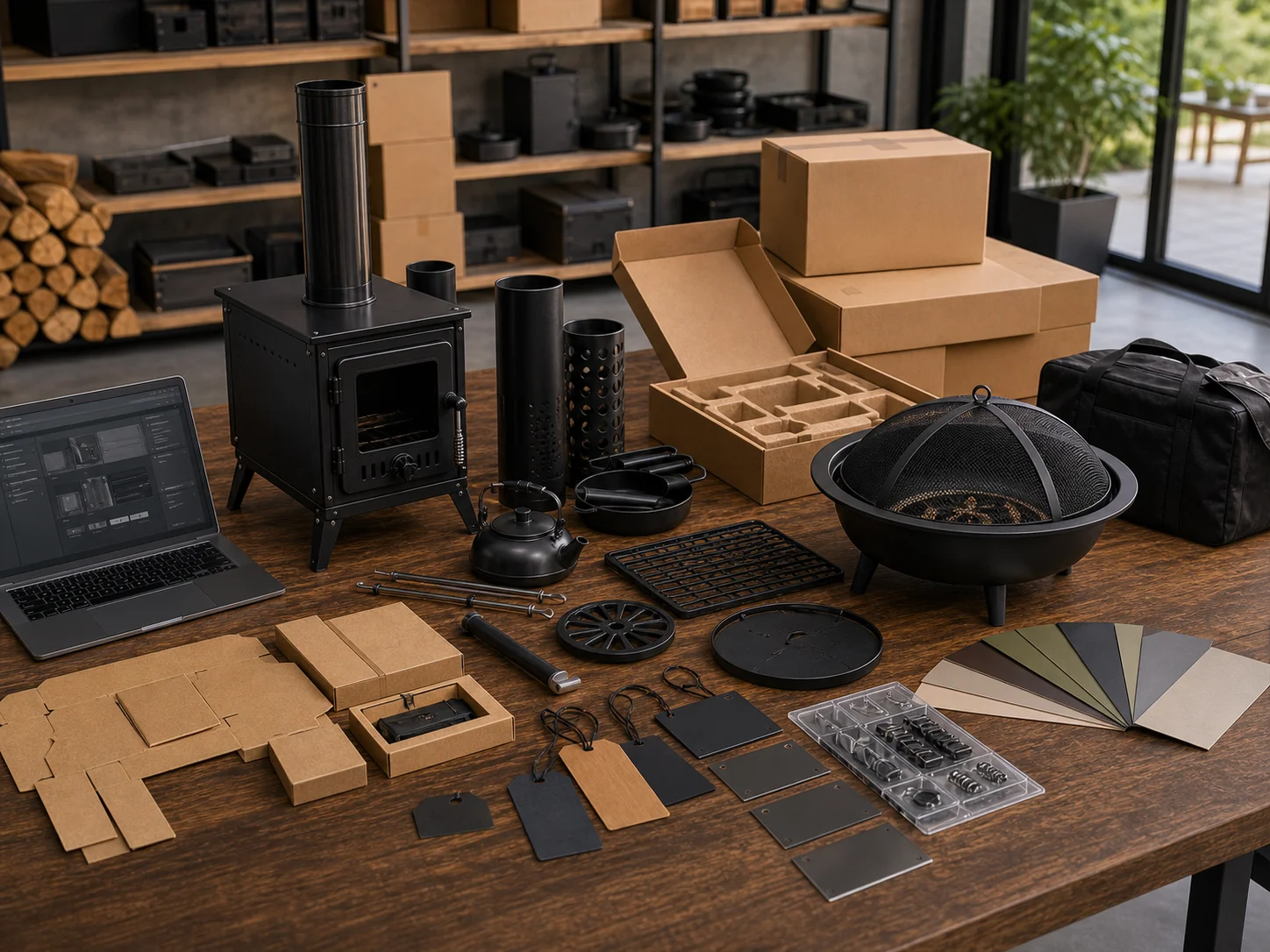
Define what will change
An existing model with a logo plate is a different project from a stove with revised dimensions, air controls or chimney connections. List the features to retain and the changes you need. Provide drawings, a reference sample or annotated photographs so both teams can identify the same components.
A change to one part may affect others. A different door can change its hinges, latch, glass and seal; a different body size can affect accessories and carton dimensions. Ask which drawings, samples and assessments need to be updated rather than treating each change as an isolated cosmetic detail.
Include packaging and instructions in the brief
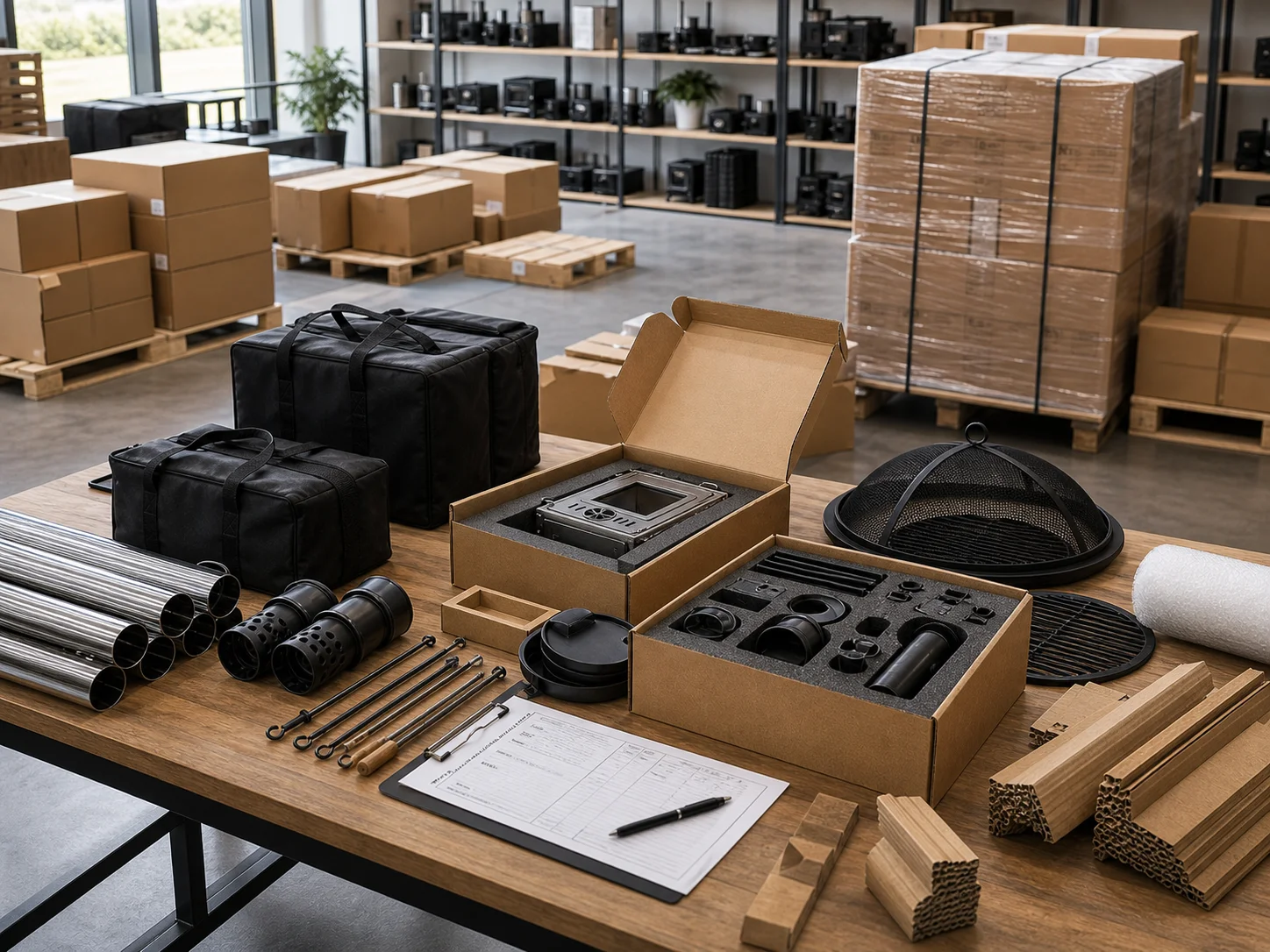
Specify whether the order needs neutral export cartons, branded retail packaging or a parcel-delivery pack. Identify the complete kit contents, how small parts are separated and which surfaces need protection. A printed carton design does not by itself establish that the packed product is protected during handling.
Review logo artwork, labels, instructions, barcodes and shipping marks against the approved product configuration. Instructions and illustrations must match the supplied parts and intended market; do not reuse another model’s instructions simply because the products look similar.
Approve the reference before production
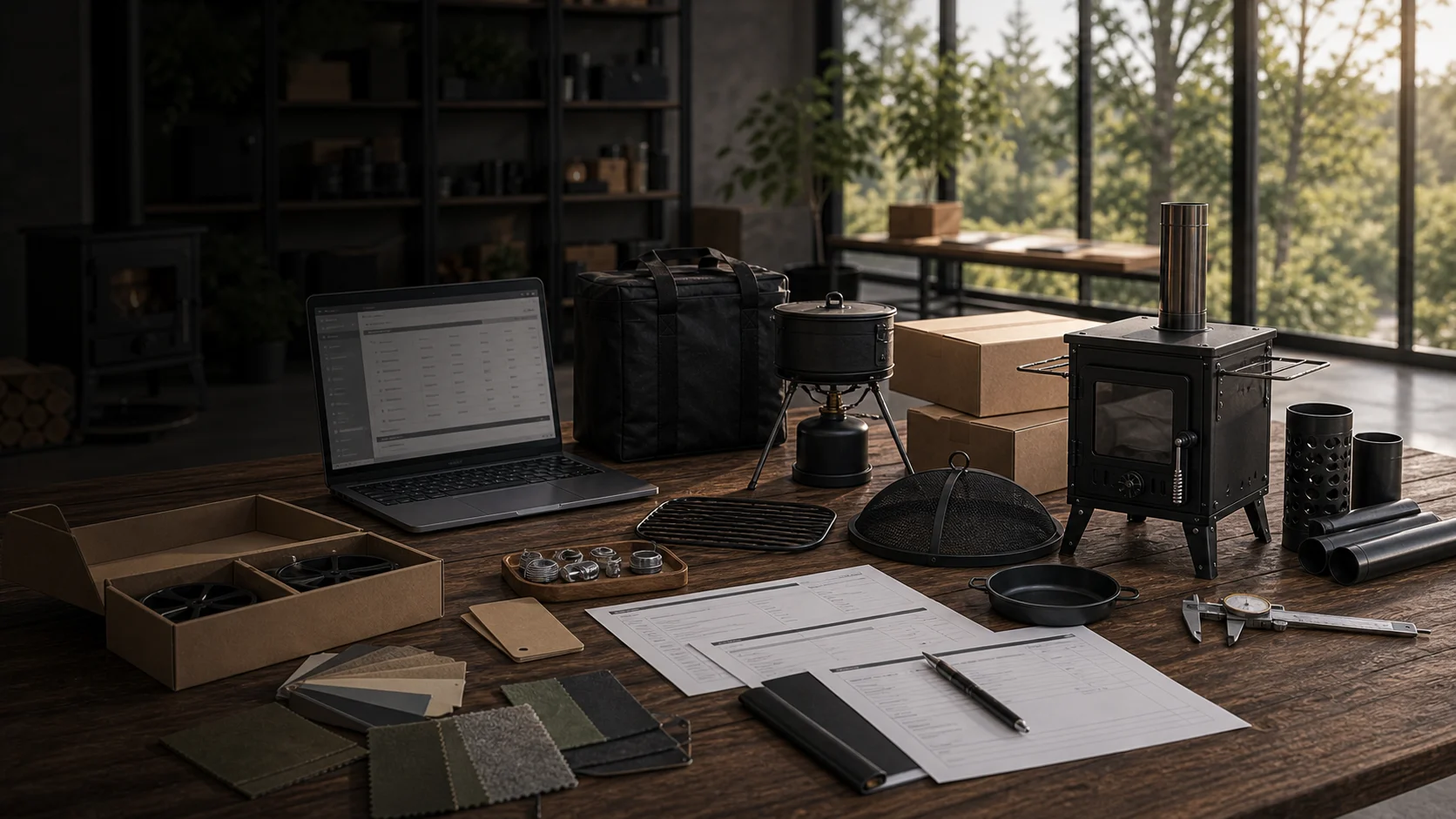
Agree which sample, drawing and packing specification will serve as the production reference. Keep a written list of accepted details and required revisions, including dimensions, materials, finishes, assembly and accessory fit. Confirm any model-specific testing or documentation needed for the target market.
A pilot order gives you an opportunity to review assembly, packing and receiving arrangements before a larger run. Agree on its inspection and documentation requirements along with the product specification. Send us your proposed changes so we can review the work needed for sampling and quotation.