Compare what the customer actually carries
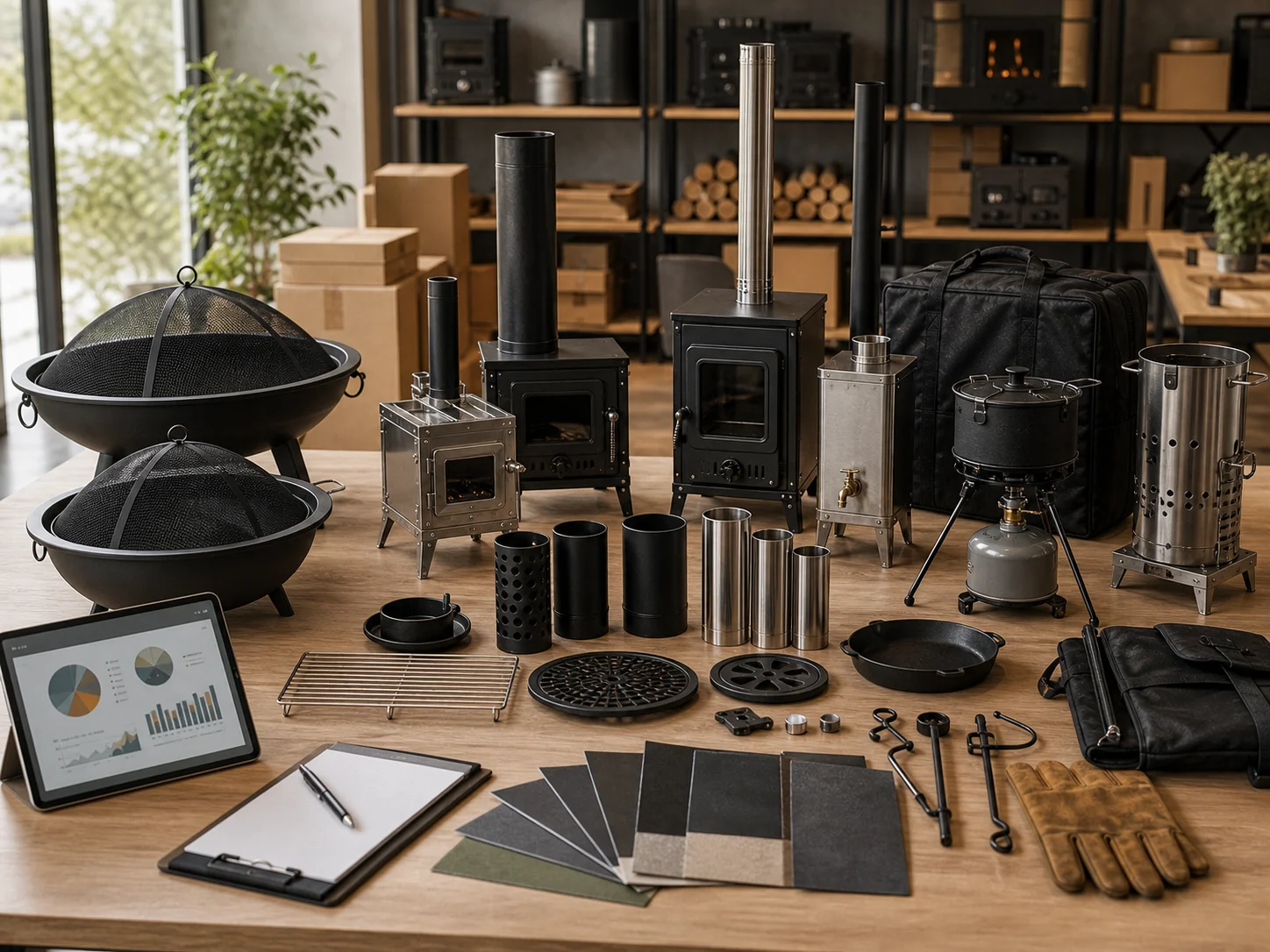
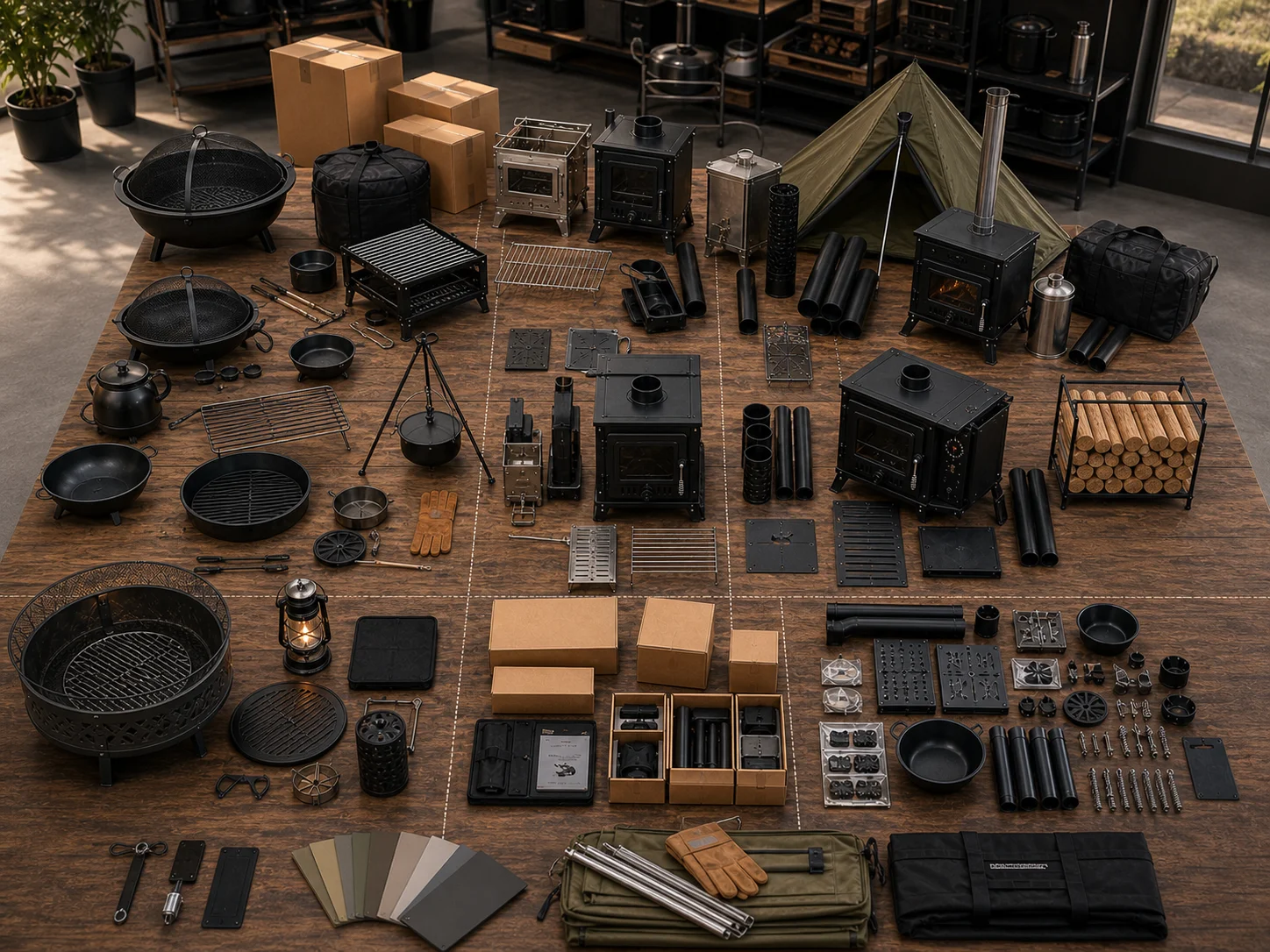
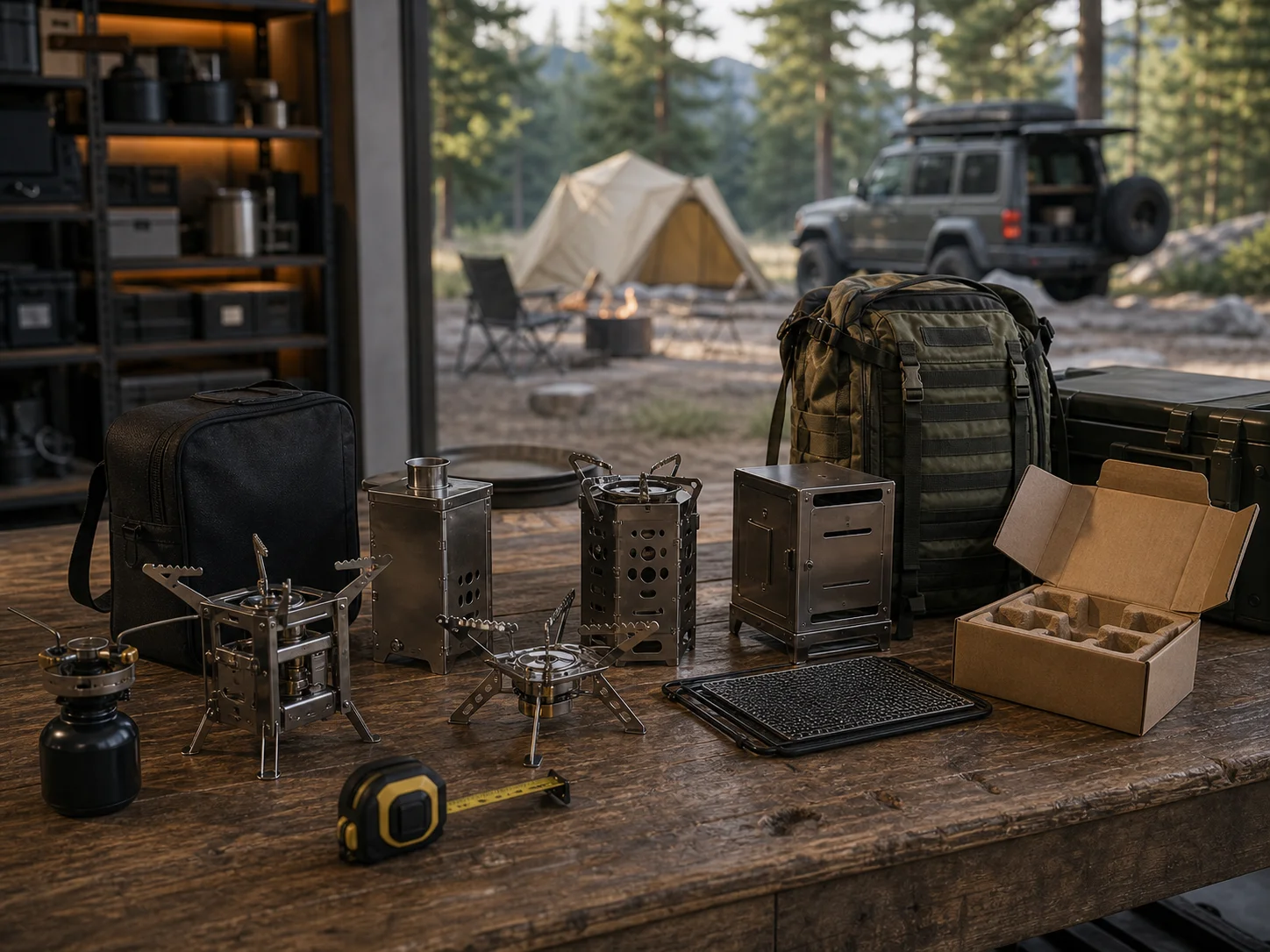
A stove-body weight is not the same as a complete-kit weight. Ask which parts are included in each figure: legs, pot supports, grates, chimney components where applicable, tools and carry bag. Compare models using the same contents rather than assuming the lightest quoted body makes the lightest kit.
Record both assembled and packed dimensions. A folding stove may pack flat but still need separate space for accessories; a rigid model may store some parts inside its body. Review the actual packing arrangement and keep sharp or dirty components separated from the bag and other equipment.
Review cooking use and setup
Confirm the fuel types permitted for the exact model and how it supports the intended cookware. Check pot-support dimensions, how removable parts fit into place or lock together, and the stability of the assembled unit under its specified use conditions. Compact dimensions alone do not establish suitability for a large pan or loaded cooking accessory.
For emergency cooking ranges, avoid treating multi-fuel as an unrestricted fuel claim. Keep approved fuels, outdoor-use restrictions and operating instructions visible in the product information. A portable stove should not be presented as safe inside a tent or vehicle unless that specific application is expressly supported by the equipment documentation.
Separate carrying dimensions from shipping dimensions
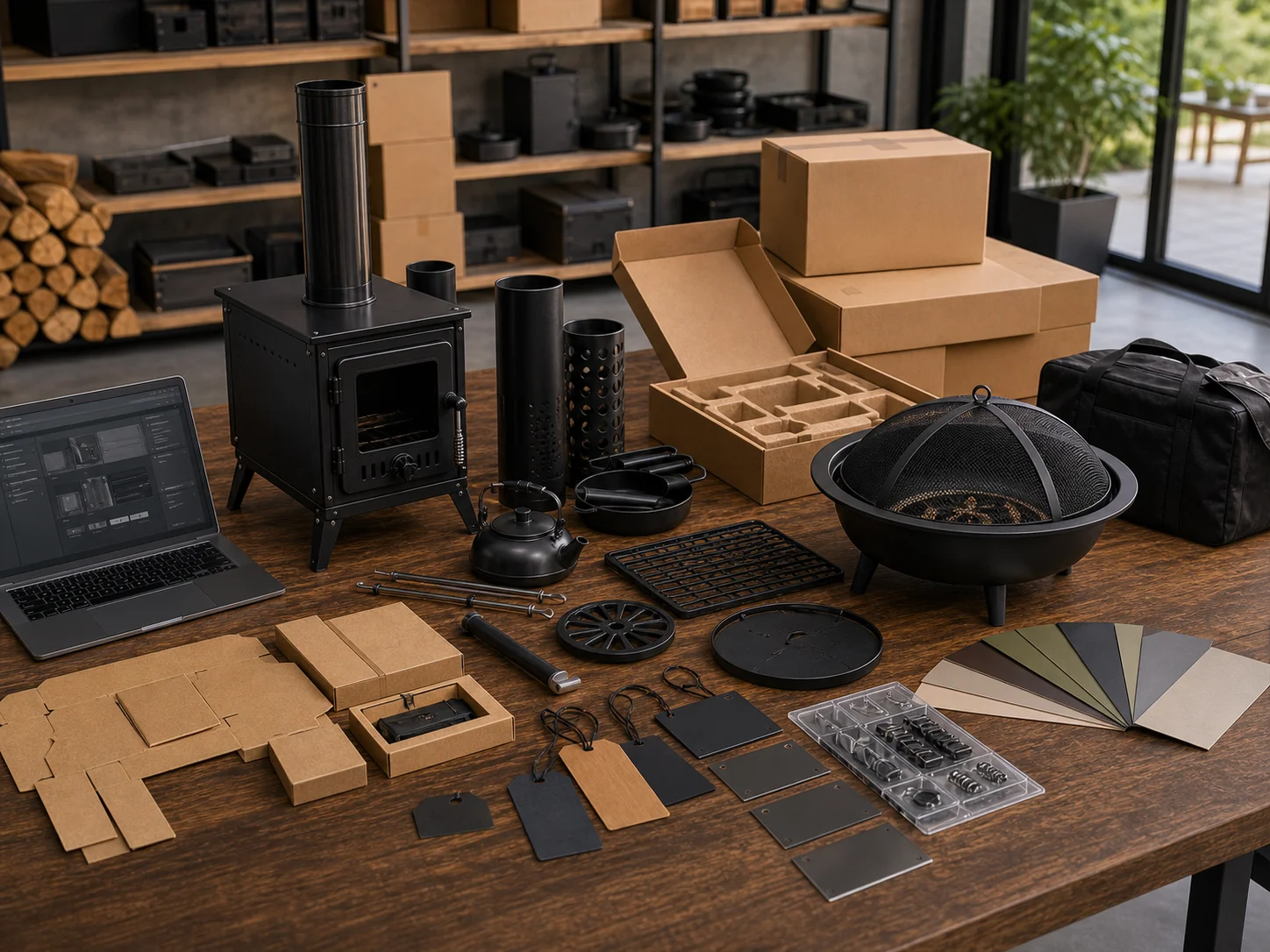
Packed stove or carry-bag dimensions differ from shipping-carton dimensions. Protective inserts, accessory compartments and outer packaging can increase shipping size and weight. Request final carton dimensions and gross weight for the quoted configuration before estimating freight or preparing listings.
For online sales, clearly state what is included and show the product assembled and packed. We can review compact stove formats, accessory kits and packaging requirements for camping, overlanding and outdoor retail orders.