Protection in Transit
Secure stones, glass, racks and indicators against contact with heavier parts.
Wholesale Oven Stoves
When comparing portable outdoor ovens, include supports, cooking components and any required chimney in the complete system. Check packed size and total weight against your vehicle, menu and setup site.
Product Focus
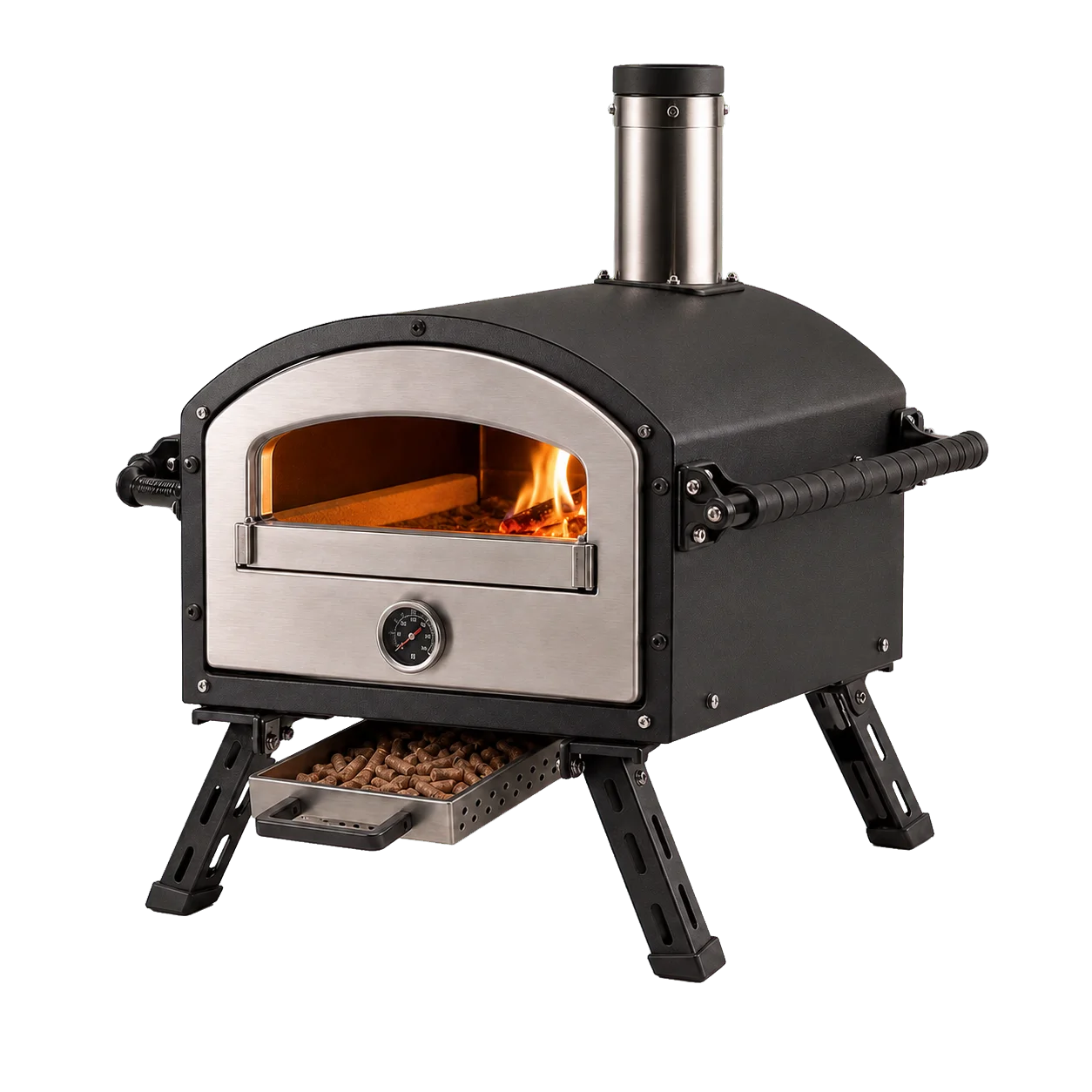
Portable outdoor ovens package a baking chamber with transportable supports and model-specific fuel and chimney components. A deck, rack or tray arrangement sets the intended food format, while doors and tools need working clearance at the site. The supplied chimney can vary between configurations, so compare the complete packed system rather than a body photograph.
Secure stones, glass, racks and indicators against contact with heavier parts.
Check support engagement, door movement and lifting points for the complete oven.
Match pizza, bread or roasting requirements to the actual deck, rack or tray supplied.
Design Details
Review transport, setup, cooking access and cooled repacking together.
Stones, glass, racks and indicators can share the case with heavier metal parts. Their orientation, restraints and separators define the transport arrangement and need checking for the complete kit.
Folding or removable legs, where used, reduce the packed footprint but form the loaded base when assembled. Their connections and ground contact must suit the oven, food load and site conditions.
Decks and racks hold different food formats within the enclosure. Door movement and tool access determine whether the intended pizza, bread or roast can be loaded and retrieved practically.
The oven and fuel components retain heat after cooking and carry different residues. Full extinguishing, cooling and cleaning come before separating food-contact parts from soot-bearing components in the case.
Specifications
Compare complete weight, packed dimensions, support surface, usable cooking space and fuel requirements.
Materials & Finish
Select materials and packing protection for cooking and repeated vehicle transport.
Confirm grade, thickness, joints and storage care.
Compare coating limits, abrasion points and dry-storage requirements.
Confirm food-contact materials, dimensions, fragility and restraint for each component.
Applications
Portable configurations need a defined vehicle, setup surface and outdoor cooking plan.
Match the food load, vehicle storage and outdoor setup surface.
Assess loaded support, cooking throughput and access for fuel and cleaning.
Agree menu, site rules, operator routes and packing responsibilities for each deployment.
OEM & Private Label
We can coordinate supports, cooking components and packing around your menu and transport requirements.
FAQ
Confirm the complete supplied configuration before comparing portability or capacity.
Include every required support, chimney section, deck, rack, tool and supplied case in the complete packed system.
Only if the actual total weight, dimensions, lifting points and handling assessment support a one-person lift.
Agree restraint, orientation and separators that prevent contact with heavy metal parts. Confirm a replacement reference for the selected deck.
Do not assume so. Follow the exact model’s placement, overhead clearance, ventilation and local fire requirements.
Compare food size and load, usable deck or rack space, door clearance and simultaneous quantity.
Provide transport mode, packed-size and weight targets, lifting needs, menu and food load, fuel, support surface, wind conditions, tools, quantity and destination.