Cookware and Load
Check rings, plates and footing with the intended vessel bases and simultaneous filled loads.
Wholesale Oven Stoves
Outdoor cook stoves can be configured for the cookware, fuel and meal service you need. Start with the menu and site layout, then compare pot support, working access and maintenance requirements.
Product Focus
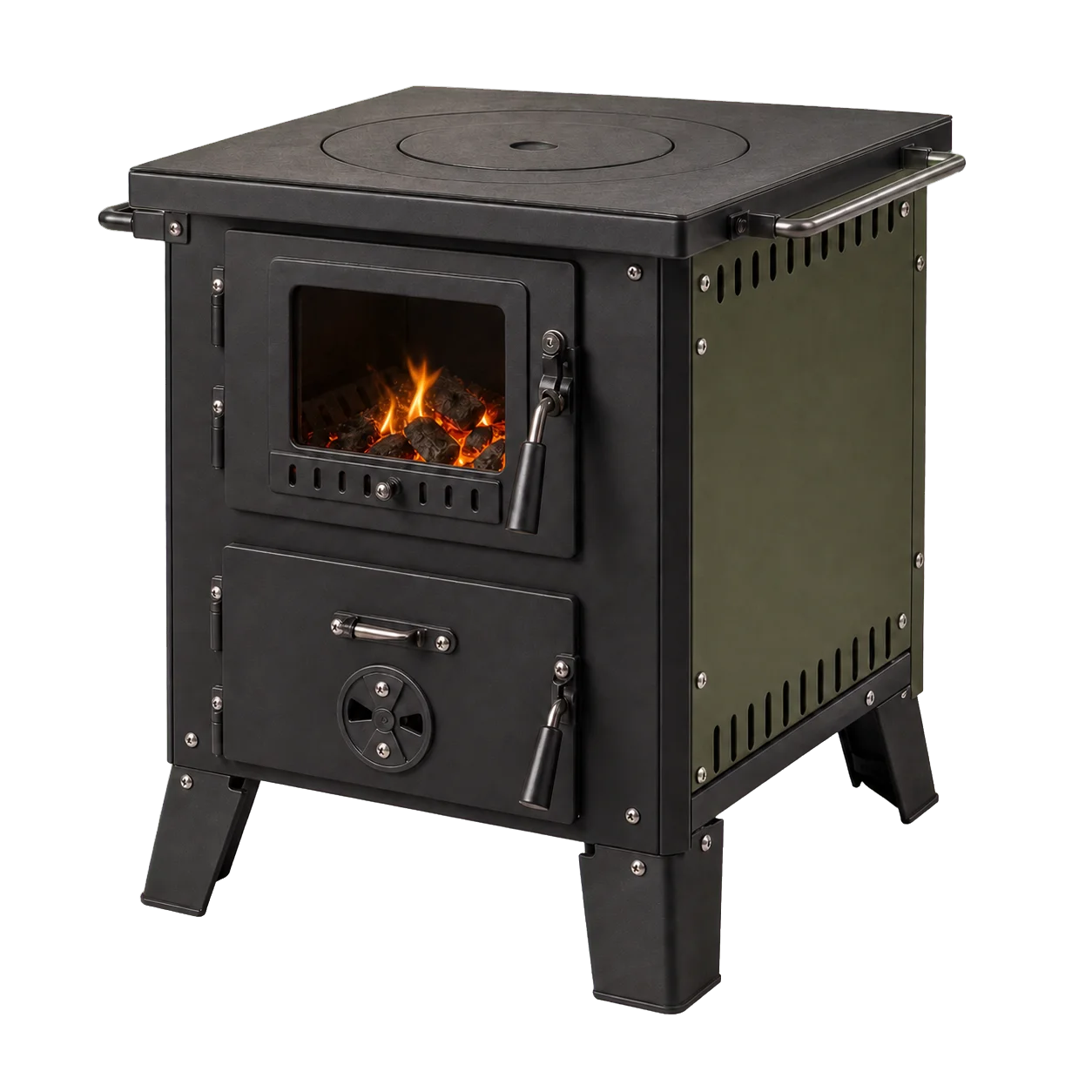
Outdoor cook stoves organize live-fire cooking around a supported vessel or a model-specific cooking surface. Pot rings, plates and accessories create different working layouts, while the fuel opening and ash access determine the tending routine. Choose the configuration around the meal and site, including people moving between preparation, cooking and serving areas.
Check rings, plates and footing with the intended vessel bases and simultaneous filled loads.
Separate fuel and ash handling from food preparation, serving and guest movement.
Agree finish, drainage, covers, inspections and off-season storage for the destination climate.
Design Details
Review the working station with cookware, fuel and serving routes in place.
The fuel opening establishes where the operator adds and tends the supported fuel. Its door movement and working reach need separation from food preparation and guest circulation.
Rings, plates or stands support the cooking vessel and transfer its weight through the stove body to the ground. The actual vessel profile and filled weight determine suitable contacts and footing.
A direct cooking surface, a cookware support and a structural panel have different roles. Only components confirmed for direct food contact should hold food without suitable cookware.
Combustion produces ash and soot, while cooking can leave grease and food residue. These wastes need distinct access and cleaning steps after the appliance has fully cooled.
Specifications
Food tasks, vessel loads, serving group, fuel supply and placement should be defined together.
Materials & Finish
Specify structural surfaces, cooking components and wear parts separately.
Confirm thickness, coating locations, drainage and storage care.
Compare section, food-contact use, seasoning and cleaning needs.
Specify grade and function for food-contact or wear parts, with appropriate care and replacement references.
Applications
Match the configuration to its outdoor setting and operating routine.
Build a complete outdoor kit around the menu, cookware, packing space and setup surface.
Match regional vessels and prepared local fuel, with a seasonal storage plan.
Plan staff movement, serving access, cleaning and local fire restrictions.
OEM & Private Label
We can coordinate cookware supports, fuel access and accessories around your menu and site requirements.
FAQ
Compare usable cooking positions and site needs rather than body size alone.
Use vessel dimensions, filled weights, usable simultaneous positions and menu tasks rather than external body size.
Only where the selected grate, airflow and ash arrangement supports both fuels and the instructions explain each mode.
Confirm any grate, plate, rack or accessory intended for direct food contact. Painted structural panels are not automatically suitable.
Only within the model’s material, finish, drainage, cover and storage requirements. Outdoor cooking suitability does not mean weatherproof storage.
Check destination and site requirements for open fires, smoke, food service, property use and seasonal restrictions.
Provide menu, vessel dimensions and filled weights, serving needs, fuel, site and climate, materials, accessories, packing, quantity and destination.