Grade Is Specified by Component
304, 430 or another selected alloy is assigned to the parts that actually use it. A stainless exterior should not imply that every hidden support, fastener or accessory uses the same grade.
Wholesale Fire Pits
These stainless fire pits use declared component grades, cleanable construction and surface expectations appropriate to heat, weather and visible use.
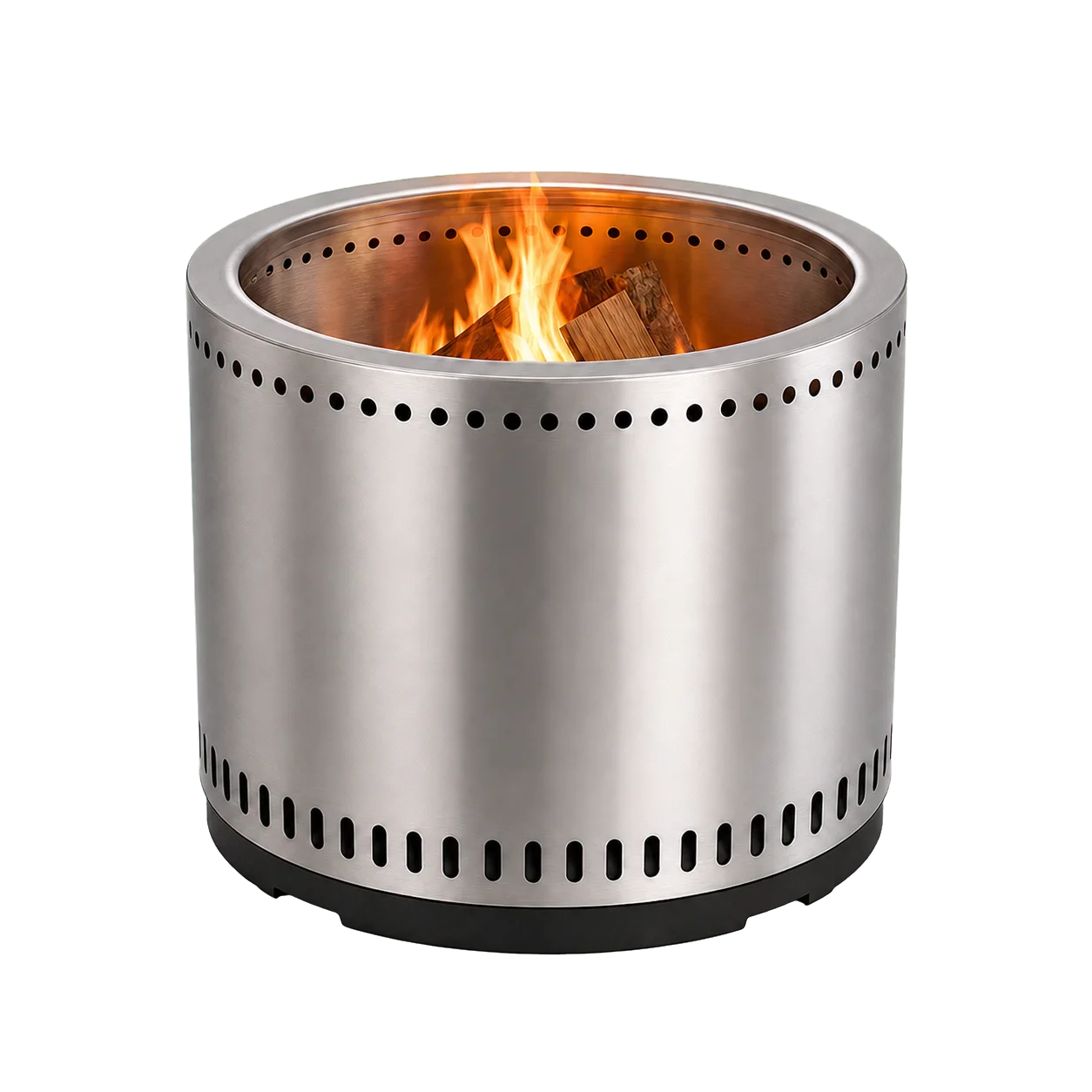
Product Focus
Stainless construction can support an unpainted finish and a different corrosion-care profile from coated carbon steel, but grade, thickness and exposure still matter. The fire chamber, outer body, fasteners and accessories may carry different duties, so each is declared separately and accompanied by realistic guidance on heat tint, salt exposure and cleaning.
304, 430 or another selected alloy is assigned to the parts that actually use it. A stainless exterior should not imply that every hidden support, fastener or accessory uses the same grade.
Brushing direction, weld cleanup, edge condition and visible heat discoloration are considered together. Care information sets expectations for how the surface changes during use.
Inland patios, humid storage and salt-air locations place different demands on the assembly. Grade selection and cover or storage guidance should reflect the intended environment.
Design Details
Declared alloy, heat-zone construction, drainage and accessible ash surfaces determine whether the stainless specification supports the intended service environment.
The inner chamber, outer shell, supports and fasteners receive declared alloy assignments according to their actual duty.
Bends, seams and weld cleanup are coordinated with the brushing direction and visible-surface standard.
Body openings and base geometry allow rainwater and cooled cleaning water to leave without collecting around hidden joints.
Ash trays, grates, screens and fasteners carry their own references so replacement material is not assumed from the outer shell.
Specifications
Specifications should distinguish the fire chamber, outer body, fasteners and accessories rather than applying one unspecified stainless claim to the complete product.
Materials & Finish
Grade, thickness and finish are recorded by component, with coated or non-stainless parts identified separately for an accurate material schedule.
304 may suit components requiring stronger corrosion resistance, subject to the specified exposure and ongoing care.
430 can support cost-conscious component choices where magnetic behavior, corrosion limits and allocation are communicated accurately for the intended environment.
Coated supports or other alloys may be used where appropriate, but every non-stainless component is disclosed rather than hidden beneath a whole-product claim.
Applications
The material route suits buyers seeking an unpainted finish and straightforward care, provided grade selection reflects salt, weather and cleaning exposure.
An unpainted metallic finish and component-level grade schedule suit customers who value visible material specification.
Selected grades may suit demanding exposure when cleaning and storage guidance acknowledges salt deposits and environmental variation.
Identified screens, trays and hardware support managed venues that need repeatable maintenance and service parts.
OEM & Private Label
Private-label development can align the alloy schedule, surface direction, drainage, accessory materials and care information with the intended environment.
FAQ
A stainless fire pit should declare component grades, explain realistic corrosion care and set clear finish expectations after heating.
No. Grade, salt exposure, deposits, crevices and maintenance all influence corrosion. The selected alloy and care guidance should match the destination environment.
Yes, if each component grade is declared and appropriate to its duty. The product should not then be represented as entirely 304 stainless.
Heat tint and other discoloration can occur in high-temperature zones. This is different from coating failure and should be covered in appearance and care guidance.
A component material schedule can be supported by supplier records or component-level verification appropriate to the order.
A consistent brushed or bead-blasted texture may reduce the visibility of handling marks, but the choice also affects cleaning, repair and appearance matching.